

Eco-Edibles: Lion’s mane (feature)
A fallen birch log in the forest might be wearing what looks like a shaggy white mane. The long, soft spines hang in clusters, almost like strands of hair or coral. This is Lion’s Mane mushroom — one of the most distinctive fungi you can find in the wild and one of the most studied for its potential health benefits.

The Snack Plate Across Cultures: Small Meals with Big Stories
You walk into a kitchen in Beirut, Busan, Barcelona, Bamako. You sit. You wait. You don’t get one plate—you get six. Ten. Fifteen. Some small, some smaller. A pickled thing, a fried thing, a thing cured in salt or smoked in the firepit out back. Chickpeas mashed with garlic. Eggplant blackened to silk. Anchovies glistening in oil. Kimchi sharp as a slap. Carrots steeped in vinegar. Olives, dozens of them, wrinkled or slick or stuffed with almonds.

Global Palates, Local Plates: Summer Fusion with a Heritage Heart
Summer in Canada is a celebration of the seasons, and at the heart of this season lies the barbecue—a tradition loved by nearly every community across the country. As Canadians fire up their grills, they don’t just cook food; they also celebrate the diversity of the country’s culinary heritage.

Winter Comfort Foods to Warm Your Soul
In my corner of the world, the snow is settling in. Tis the season for scraping ice off cars, shovelling sidewalks, and making hot, nourishing food.

The History and Evolution of Harvest Celebrations
Across human history, harvest celebrations have served as pivotal moments for communities to honour the earth’s abundance.
From ancient rituals rooted in gratitude to modern events focused on sustainability, these traditions reflect humanity's relationship with nature and its cycles.
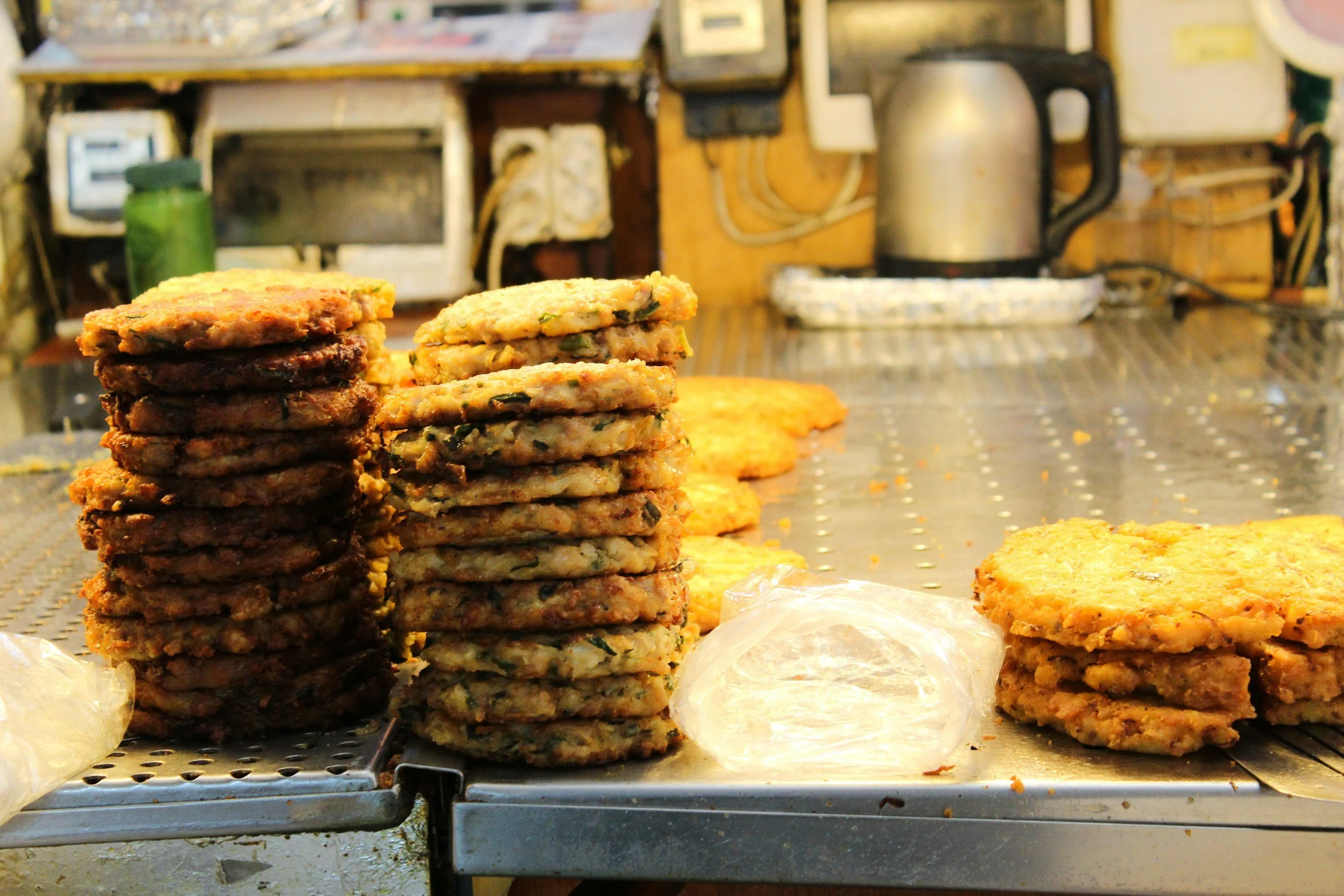
Hallyu and Its Impact on Korean Food History
Hallyu, often referred to as the “Korean Wave,” is a cultural phenomenon that has captured global attention in recent decades. Emerging from the entertainment industry, Hallyu encompasses the global success of K-pop, Korean drama (K-drama), Korean cinema, and, increasingly, Korean food.
The cultural export of Korean entertainment has sparked global fascination with the Korean way of life, including its vibrant food culture.
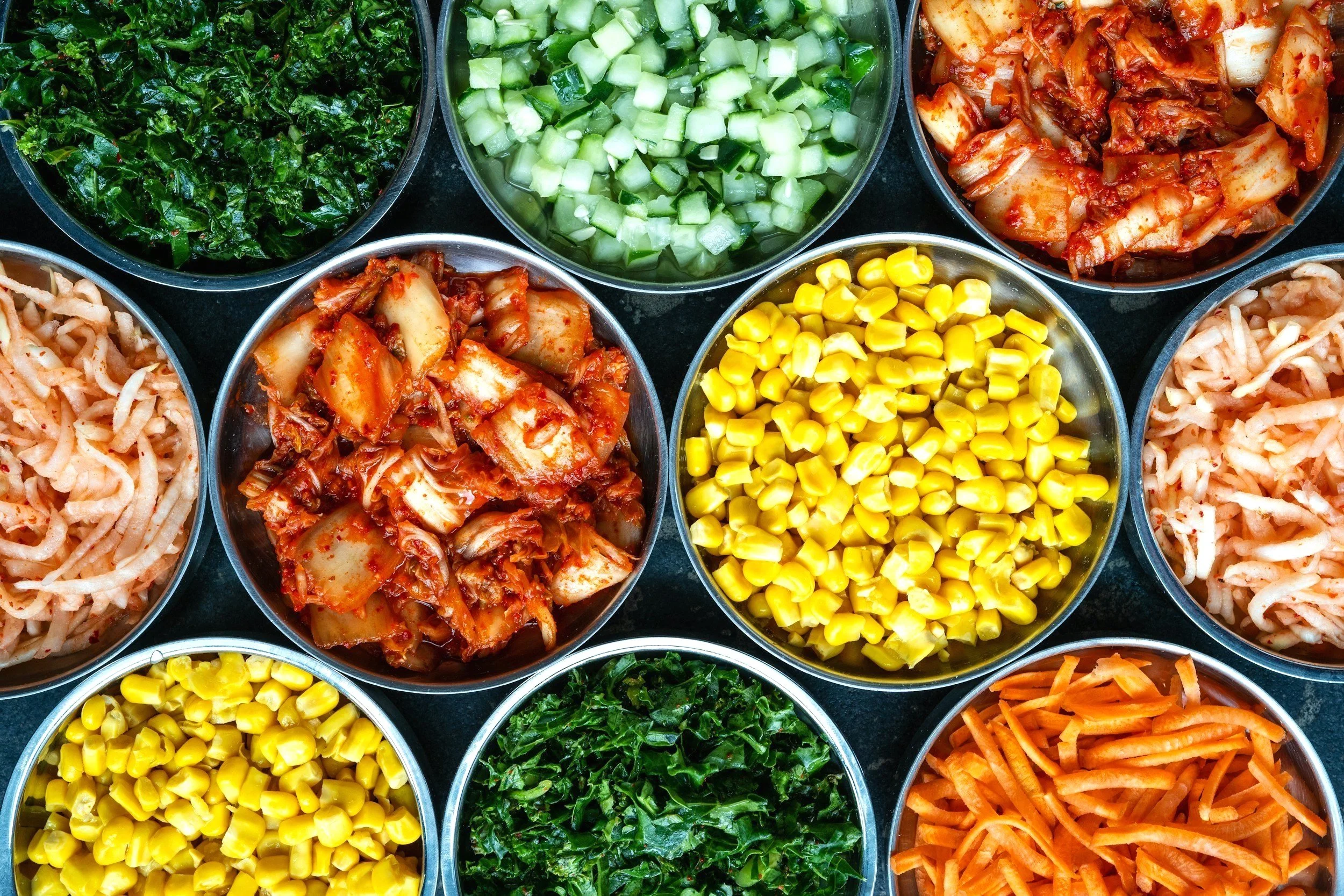
The History of Kimchi
Kimchi (김치) is one of Korea’s most iconic and beloved dishes, known for its distinctive flavor and cultural significance. This traditional fermented food is primarily made by salting and seasoning napa cabbage or radishes, but a wide variety of vegetables can be used.

The History of Bibimbap
Bibimbap (비빔밥), translating to “mixed rice,” is one of Korea’s most popular and celebrated dishes. It’s typically made by layering rice with colorful vegetables, seasoned meat, a fried egg, and gochujang (Korean red chili paste), all mixed before eating.

The History of Food in Seoul, Korea
Seoul, the vibrant capital of South Korea, stands as a dynamic blend of the old and the new. Known for its towering skyscrapers and cutting-edge technology, the city also holds a deep connection to its cultural past, especially through its food.

The Evolution of Food in Bukchon Hanok Village
Nestled between the Gyeongbokgung Palace and the Cheonggyecheon Stream in central Seoul, Bukchon Hanok Village is a traditional Korean village renowned for its well-preserved hanok houses.
The village offers a glimpse into Seoul’s past, with narrow streets lined by wooden houses, tiled roofs, and peaceful courtyards.

From Clay Pots to Canning Jars
Fermentation is one of humanity’s oldest preservation methods, a technique that not only extends the shelf life of food but also enhances its flavor and nutritional value.
From clay pots in ancient civilizations to the glass jars found in modern kitchens, fermentation has played a vital role in food culture across the globe. Explore the fascinating history of fermentation, highlighting its significance in various cultures, including the beloved kimchi of Korea and the savory miso of Japan.

The Rise of Street Food
Street food is more than just a meal on the go; it represents a vibrant aspect of global culinary culture, reflecting the diversity and creativity of different regions.

The Power of Ritual
Food plays a central role in human rituals and celebrations, acting as a catalyst for communal bonding and cultural continuity. Across diverse cultures, communal meals and culinary traditions are integral to various ceremonies, from weddings and harvest festivals to religious observances.